- All
- Product Name
- Product Keyword
- Product Model
- Product Summary
- Product Description
- Multi Field Search


Views: 0 Author: Site Editor Publish Time: 2025-11-02 Origin: Site


Why do they call it a medicine ball? This intriguing question takes us on a historical journey. Medicine balls have been pivotal in fitness and therapy for centuries. In this post, you'll learn about their origins, evolution, and modern uses. Discover how these versatile tools enhance strength, coordination, and healing.
Medicine balls have roots stretching back thousands of years, with some of the earliest known use traced to ancient Persia. Wrestlers and soldiers used weighted balls to build strength and improve their physical prowess. These early versions were often made from animal bladders filled with sand or other materials, providing resistance for training. This simple yet effective tool helped them develop power and endurance, essential for their demanding physical activities.
The ancient Greeks also embraced the use of weighted balls in their fitness and medical practices. Hippocrates, often called the Father of Medicine, recommended exercises involving balls to help patients regain mobility and maintain health. He believed that physical activity was crucial for healing and preventing illness. Greek athletes used similar balls during gymnastic training to enhance strength and coordination. These early practices laid the foundation for the medicine ball's role in physical therapy and fitness.
During the Renaissance, the idea of exercise as medicine gained renewed attention. Hieronymus Mercurialis, a notable physician of that time, wrote about "medicinal gymnastics" in his book De Arte Gymnastica. He advocated for the use of weighted balls as part of a regimen to both heal injuries and promote overall health. The term "medicinal gymnastics" highlights how exercise was viewed as a form of medicine, blending fitness with healing. This era helped cement the concept of the medicine ball as a tool for both therapy and strength training.
Note: Understanding the historical use of medicine balls reveals their long-standing importance in health and fitness, making them a trusted tool even today.
The term "medicine ball" might sound a bit odd at first—why call a heavy workout ball "medicine"? The answer lies in how people once used the word "medicine." Long ago, "medicine" meant more than just drugs or treatments; it was closely tied to the idea of health and healing in a broad sense.
Back in the 19th century, health and medicine were almost interchangeable words. When people talked about something being "medicinal," they often meant it helped keep the body well or restored its strength. This connection is key to understanding why the weighted ball got its name.
One important figure in popularizing the term was Professor R. J. Roberts, who worked at the Boston YMCA gymnasium in the late 1800s. Roberts introduced the medicine ball as a versatile tool for fitness. According to a Scientific American article from 1889, he described how using the ball "invigorates the body, promotes digestion, and restores and preserves one’s health." Because "medicine" and "health" were considered nearly the same back then, calling it a "medicine ball" felt natural.
Before Roberts formalized the term, the concept of using weighted balls for exercise and therapy was already ancient. However, the name "medicine ball" itself only dates back a few hundred years. It stuck because it captured the ball’s dual purpose: to build strength and to help heal or maintain health.
Today, the words "medicine" and "health" have drifted apart in meaning. We usually think of medicine as drugs or treatments, not general wellness. Still, the name "medicine ball" remains. It’s a nod to the ball’s long history as a tool for healing and fitness.
In summary, the term "medicine ball" evolved because:
"Medicine" once meant overall health and healing, not just drugs.
Professor Roberts coined the term in the 1880s, highlighting the ball’s health benefits.
The name reflects the ball’s use in both therapy and strength training.
Despite changes in language, the term has endured due to tradition and recognition.
This evolution shows how language and fitness history intertwine, keeping the medicine ball a symbol of health and exercise through the ages. Remember, the term "medicine" historically meant health restoration, which explains why the exercise ball earned its name despite modern shifts in language.
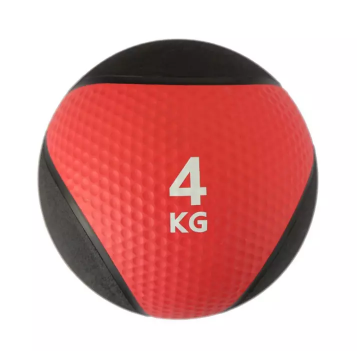
Medicine balls come in many sizes and weights to suit different fitness levels and training goals. They can weigh as little as 2 pounds for beginners or go up to 150 pounds for advanced athletes. The diameter varies, usually between 9 to 15 inches, allowing for easy gripping or catching. Some balls have a soft outer layer for comfort, while others have a rugged surface to prevent slipping during intense workouts. This variety makes medicine balls adaptable for many types of exercises and rehabilitation programs.
Physical therapists often use medicine balls to help patients recover strength, coordination, and mobility after injury or surgery. The weighted ball offers gentle resistance that can be adjusted by changing the ball's weight. Exercises with medicine balls improve balance, joint stability, and muscle control. For example, patients recovering from shoulder surgery might perform controlled throws or rotations with a lighter medicine ball to rebuild range of motion. The ball’s versatility allows therapists to tailor exercises to individual needs, promoting safe and effective rehabilitation.
Medicine balls provide a full-body workout by engaging multiple muscle groups simultaneously. They help improve core strength, power, and endurance. Using a medicine ball can increase cardiovascular fitness when incorporated into dynamic exercises like slams, throws, or rotational twists. Unlike traditional weights, medicine balls encourage functional movement patterns, mimicking real-life activities. This makes them popular in sports training and general fitness routines. Additionally, medicine balls are great tools for enhancing hand-eye coordination and reflexes, especially when used in partner drills or catch games. Choose a medicine ball weight that challenges you without compromising form to maximize workout benefits and reduce injury risk.
Medicine balls are a staple in functional training routines. They help mimic real-life movements, improving strength, coordination, and balance simultaneously. Exercises like medicine ball slams, rotational throws, and overhead passes engage multiple muscle groups, promoting power and agility. Because they encourage dynamic movement, medicine balls are especially popular among athletes and fitness enthusiasts aiming to enhance performance beyond traditional weightlifting.
The military has long embraced medicine balls for physical conditioning. Their versatility and portability make them ideal for training in various environments. Soldiers use them to build explosive strength, endurance, and coordination. Similarly, gymnasiums worldwide incorporate medicine balls into group classes and personal training sessions. They offer a fun, interactive way to boost fitness, often used in circuits, partner drills, and rehabilitation exercises.
Several exercises highlight the medicine ball's utility:
Medicine Ball Slams: Lift the ball overhead and slam it down forcefully. This builds power and releases tension.
Russian Twists: Sit on the floor, lean back slightly, and twist the torso side to side while holding the ball. This targets the core.
Wall Throws: Throw the ball against a wall and catch it on the rebound. This develops hand-eye coordination and upper body strength.
Squat to Press: Perform a squat while holding the ball, then press it overhead when standing. This combines lower and upper body work.
Partner Passes: Toss the ball back and forth with a partner, improving reflexes and teamwork.
These exercises can be adapted by changing the ball's weight or speed, making them suitable for beginners and advanced users alike. Incorporate medicine ball exercises into your training to enhance functional strength and coordination, adjusting weight and intensity to match your fitness level.
One of the most famous cultural moments involving the medicine ball comes from President Herbert Hoover. In the early 1930s, Hoover popularized a game called "Hoover-ball," which used a medicine ball as the central piece of equipment. The game involved throwing the heavy ball over a tennis net, combining elements of tennis and volleyball but with a weighted ball. This activity was not only a fun pastime but also a vigorous workout, helping the president stay fit. Hoover-ball gained popularity among politicians, military personnel, and fitness enthusiasts, showcasing the medicine ball’s versatility beyond traditional gym use.
Medicine balls have appeared in movies, television shows, and fitness advertisements, often symbolizing strength and functional fitness. They represent a no-nonsense, old-school approach to exercise, appealing to people who want effective, straightforward workouts. The medicine ball’s image as a classic piece of equipment has helped it maintain relevance even as fitness trends evolve. From action films where heroes train with them to commercials promoting total-body workouts, medicine balls continue to inspire and motivate.
The medicine ball has influenced many modern training methods, especially functional training and high-intensity interval training (HIIT). Its ability to engage multiple muscle groups and mimic real-life movements makes it ideal for athletes and everyday exercisers. Trainers often incorporate medicine balls into circuits to boost power, coordination, and endurance. The rise of group fitness classes and personal training also helped medicine balls become a staple, as they offer dynamic, interactive workouts that keep participants engaged. This influence extends to rehabilitation and sports performance, where medicine balls improve recovery and athletic skills. Incorporate medicine ball exercises like Hoover-ball or partner throws into fitness programs to boost engagement and functional strength training.
Medicine balls have long been valued for their role in health and fitness, offering strength and healing benefits. Their historical significance and versatility ensure they remain essential in modern training. As fitness trends evolve, medicine balls continue to be integral to dynamic workouts and rehabilitation. Companies like AIFLEX provide innovative solutions, enhancing traditional exercise tools with advanced features. Their products offer unique benefits, supporting diverse fitness goals and promoting overall wellness. Medicine balls will undoubtedly continue to influence the future of fitness.
A: Medicine Balls are used for strength training, physical therapy, and enhancing coordination and balance.
A: The term "Medicine Ball" dates back to when "medicine" meant health and healing, aligning with its fitness and therapeutic benefits.
A: Medicine Balls can range in price from $10 to over $100, depending on size, weight, and brand.
A: Medicine Balls improve core strength, power, endurance, and coordination, making them versatile for various fitness routines.

WeChat / WhatsApp: +86-18915709399
Skype: lisa.sunnylove


