- All
- Product Name
- Product Keyword
- Product Model
- Product Summary
- Product Description
- Multi Field Search


Views: 0 Author: Site Editor Publish Time: 2025-09-05 Origin: Site


Yoga has grown in popularity among modern fitness enthusiasts, with various tools and accessories emerging to support the practice. One such tool that has gained widespread use is the yoga block. These small, versatile blocks provide support, stability, and assistance in yoga poses, making them an essential tool for practitioners of all levels. However, not all yoga blocks are created equal, and choosing the best size yoga block can significantly impact your practice.
In this article, we will explore how to select the right size yoga block based on your needs, whether you are a beginner or an advanced practitioner. We'll discuss the different materials, dimensions, and purposes of yoga blocks to help you make an informed decision.
Yoga blocks are essential tools for supporting a variety of yoga poses. Choosing the right size can make a significant difference in your practice. The best yoga blocks enhance stability, alignment, and flexibility.
In this article, we'll explore how to choose the ideal block size based on your needs. From thickness variations to material options, we'll guide you through selecting the perfect yoga block for your practice.
Using the correct size yoga block can prevent unnecessary strain and discomfort during your practice. For beginners, a 7.5 cm thick block offers enough support to improve alignment and provide stability during poses without overextending the body. This helps to prevent the risk of injury caused by overstretching or misalignment.
For more advanced practitioners, a thicker block (10 cm) can offer additional height and stability in challenging poses, ensuring comfort and preventing strain on the joints and muscles. Properly selecting your block size helps ensure that your yoga practice is safe, comfortable, and effective.
Choosing the right block size can benefit yoga practitioners at various levels. Beginners, for instance, may find smaller blocks (7.5 cm) more suitable for support and stability. These blocks help with alignment and can be used to reduce the intensity of certain poses as beginners develop their strength and flexibility.
Advanced practitioners, on the other hand, may prefer a thicker block (10 cm) to enhance flexibility, reach higher in certain poses, and receive more stability. This ensures they maintain proper alignment and support during more complex poses.
Yoga blocks typically measure around 23 x 15 cm in length and width, with thicknesses varying between 7.5 cm and 10 cm. The thickness of the block can affect the level of support it provides during different yoga poses.
● 7.5 cm thick blocks: These are typically used by beginners or those who need a moderate level of support. They are perfect for adjusting posture, enhancing alignment, and performing gentle stretches.
● 10 cm thick blocks: These provide greater elevation and support for advanced poses, deep stretches, or when additional height is needed to maintain proper form.
Block Thickness | Ideal Use Case | Support Level | Recommended For |
7.5 cm | Fine-tuning posture | Moderate Support | Beginners and gentle yoga practice |
10 cm | Enhancing flexibility | Higher Support | Advanced practice and deep stretches |
Yoga blocks come in a variety of materials, including EVA (ethylene vinyl acetate), cork, and wood. Each material offers different benefits depending on your needs.
● EVA Blocks: Lightweight and affordable, EVA blocks are the most common type. They are softer and suitable for beginners who need a block that’s easy to carry, comfortable, and gentle on the body.
● Cork Blocks: Slightly heavier than EVA, cork blocks are known for their durability and stability. They are also great for those who sweat more, as cork absorbs moisture and provides a firmer grip during practice.
● Wooden Blocks: The most durable of all, wooden blocks offer the highest level of stability and support. These blocks are perfect for practitioners looking for a long-lasting, sturdy option that provides maximum stability during intense poses.
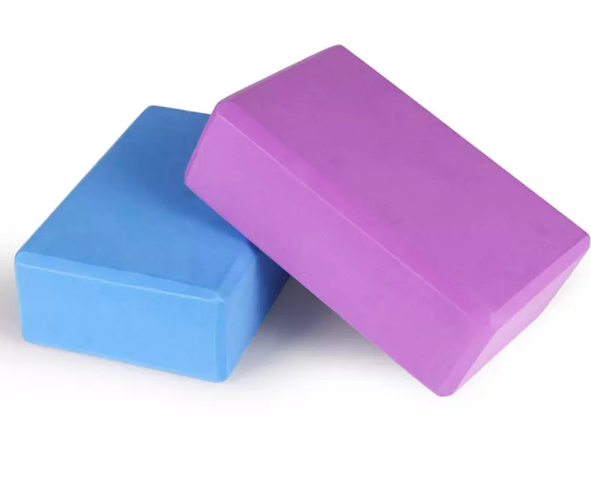
The material of your yoga block can affect both its longevity and the level of support it provides during practice.
● Foam (EVA) Blocks: These blocks are typically softer, which may provide more comfort but less stability than cork or wooden blocks. They are ideal for beginners or those looking for a lightweight and affordable option.
● Cork Blocks: Known for their durability, cork blocks offer a firmer feel and greater stability. They are more resistant to wear and tear than foam blocks and are less likely to slip during practice.
● Wooden Blocks: These are the most durable and provide the most support. They are a great option for advanced practitioners looking for superior stability in their poses.
● For portability and budget-conscious buyers, foam blocks are an excellent choice.
● If you prioritize durability and stability, opt for cork or wooden blocks.
For those new to yoga, a smaller 7.5 cm thick block can be the best option. It provides sufficient height to help with alignment in basic poses, offering a stable base without making the poses too challenging. These blocks can also be used to assist in achieving flexibility over time by supporting the body during stretches.
If your primary goal is to increase flexibility, consider using a 10 cm thick block. This will offer the additional height needed to perform deeper stretches and achieve greater flexibility. Thicker blocks provide a solid foundation that can help you extend further while maintaining proper alignment.
In certain cases, advanced practitioners may benefit from using two blocks instead of just one. By stacking two blocks, you can create additional support and stability for challenging poses that require proper alignment. This can help you maintain control and avoid overextending your body.
For those looking to deepen their stretches and enhance their flexibility, a thicker 10 cm block works best. It provides the extra height necessary for poses that require increased reach, such as forward bends or seated stretches. A cork or foam block can provide a stable foundation while supporting deeper stretches.
When it comes to preventing injury, stability is key. Cork and wooden blocks are typically thicker and denser, making them ideal for stability during challenging poses. These materials are less likely to slip, offering a firmer grip and better overall support.
For those who travel frequently or attend yoga classes, portability is an important factor. Lightweight EVA blocks are easy to carry and transport, making them the best choice for practitioners who are always on the go. These blocks offer great versatility without compromising comfort or support.
● For deep stretches and flexibility, go for a 10 cm thick foam or cork block.
● For injury prevention and stability, cork or wooden blocks provide more support.
● EVA blocks are best for portability and convenience.
The weight of a yoga block is an important consideration, especially for those who travel frequently or carry their blocks to classes. EVA blocks are typically lighter than cork or wood blocks, making them a better choice for portability. However, cork and wooden blocks offer greater stability, which may be preferable for certain types of yoga practice.
When selecting a yoga block, it is essential to find the right balance between price and quality. Foam (EVA) blocks tend to be more affordable and are great for beginners, while cork and wooden blocks can be more expensive but offer superior durability and support. If you plan to buy multiple blocks, consider your budget and opt for high-quality yet cost-effective options.
Different materials require varying levels of maintenance. Foam blocks are easy to clean and maintain, while cork blocks need regular cleaning to avoid sweat buildup and odors. Wooden blocks, although durable, require careful maintenance to keep them in good condition.
Selecting the best size yoga block is essential for improving your practice, enhancing stability, and preventing injury. Understanding the different sizes, materials, and their uses allows you to choose the perfect block for your needs. Whether you're a beginner or advanced, the right block ensures proper alignment and support. For top-quality yoga blocks in various sizes, Suzhou Aiflex Sports offers an excellent range to suit every practitioner’s requirements.
A: For beginners, the best yoga blocks are typically 7.5 cm thick. They offer the right amount of support and stability while helping to fine-tune poses and improve alignment.
A: To choose the best yoga block size, consider the type of yoga you practice. A 7.5 cm thick block works well for most beginners, while a thicker 10 cm block provides more support for advanced poses.
A: The best yoga blocks provide proper support and help prevent injury. A block that is too thick or too thin can affect your alignment and stability during practice.
A: A 7.5 cm block is ideal for beginners and basic poses, while a 10 cm block offers more height and support, perfect for deep stretches or advanced postures.
A: The best yoga blocks enhance stability and alignment. A thicker block offers more support, while a thinner one helps with fine-tuning poses and flexibility.
A: Yes, a thicker yoga block (10 cm) can provide better support for flexibility, helping you reach deeper stretches or perform advanced poses with more ease.
A: Larger yoga blocks, such as those 10 cm thick, offer better stability and support, particularly in poses that require more height or strength to maintain proper alignment.
A: For better support, choose a thicker block, such as a 10 cm option. It provides more elevation and stability, which is particularly helpful for advanced poses and improving alignment.

WeChat / WhatsApp: +86-18915709399
Skype: lisa.sunnylove


