- All
- Product Name
- Product Keyword
- Product Model
- Product Summary
- Product Description
- Multi Field Search


Views: 0 Author: Site Editor Publish Time: 2025-10-28 Origin: Site


Ever wondered how athletes build explosive power and strength? Medicine balls might be their secret weapon. These versatile tools are perfect for beginners aiming to enhance fitness. In this post, you'll learn what medicine balls are, their benefits, and why they're ideal for beginners. We'll guide you in choosing the best medicine ball for a safe, effective workout.
Selecting the right medicine ball is key to a safe and effective workout, especially for beginners. Several factors come into play: weight, size and material, grip, and bounce. Let's break these down.
Weight is the most important factor to consider. Medicine balls come in a wide range of weights, from as light as 2 pounds (about 1 kg) to over 30 pounds (14 kg) or more. For beginners, starting with a lighter medicine ball is crucial. A ball weighing between 4 to 6 pounds (2 to 3 kg) is usually ideal for most beginners. It allows you to focus on form and control without risking injury.
Choosing a ball too heavy can cause strain and limit your ability to perform exercises correctly. Conversely, a ball too light may not provide enough resistance to build strength effectively. Start light, then gradually increase weight as your strength and technique improve.
Size often correlates with weight but is also influenced by the ball's design and material. Medicine balls typically range from about 7 to 14 inches (18 to 36 cm) in diameter. For beginners, a ball around 9 to 12 inches (23 to 30 cm) provides a comfortable grip and manageable size for most exercises.
Materials vary widely:
Rubber: Durable, offers good bounce, and suitable for wall throws and partner exercises.
Synthetic leather or vinyl: Softer feel, less bounce, better for slams or exercises where bounce-back is unwanted.
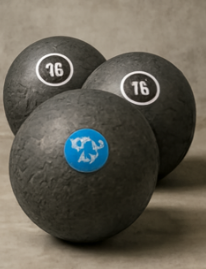
Sand-filled (slam balls): Designed to absorb impact, no bounce, ideal for ground slams.
Beginners should pick a material suited to their workout style. For general use, a rubber or synthetic leather ball is versatile. For slam exercises, a sand-filled ball is safer and more effective.
Grip texture affects control and safety. Medicine balls have surfaces ranging from smooth to heavily textured. A pebbled or diamond-patterned grip helps prevent slipping, especially when hands get sweaty. Beginners should choose a ball with a good grip to maintain control during dynamic movements.
Bounce depends on the ball’s material and construction. Balls with high bounce are great for wall throws and partner passes. However, excessive bounce can be challenging for beginners learning control. Balls with minimal bounce, like slam balls, reduce risk during impact exercises.
Tip: When selecting a medicine ball for beginners, prioritize a manageable weight and secure grip over bounce, to build confidence and proper form safely.
Choosing the right medicine ball is easier when you know which ones stand out for beginners. Here are three top picks: the best overall, best budget, and best soft-shell medicine balls.
The REP Fitness Medicine Ball is a favorite for beginners and experienced users alike. It offers:
Weight options from 4 to 30 pounds, so you can start light and grow stronger.
A consistent 14-inch diameter across all weights, making grip and handling predictable.
Durable synthetic leather construction with a pebbled surface for excellent grip.
Hand-stitched seams for long-lasting use.
While it's not ideal for ground slams due to minimal bounce and some find the weight a little unbalanced, it excels in versatility and durability. Its affordability also makes it a great investment for beginners aiming to improve form and build strength safely.
For those watching their budget, the Amazon Basics Weighted Medicine Ball is a solid choice. It features:
Weight range from 4 to 12 pounds, perfect for starting out.
A firm rubber exterior with a slightly textured surface to improve grip.
Good bounce, which is helpful for wall throws and partner exercises.
Durable build that lasts through regular workouts.
The texture could be more aggressive for grip, and it has an aggressive bounce-back on walls, but the price point makes it accessible for beginners wanting a reliable medicine ball without breaking the bank.
If you prefer a softer feel or plan partner tosses, the Dynamax Soft-Shell Medicine Ball is top-notch. It offers:
Weight options from 4 to 30 pounds.
A large 14-inch diameter with a vinyl coating for durability and moisture resistance.
Soft shell that absorbs impact, preventing bounce-back, which enhances safety.
Sweat and scratch resistance, keeping it looking good over years.
Though it’s pricier and can feel unbalanced over time, its impact absorption makes it ideal for beginners focusing on safe, controlled throws and catches. For beginners, prioritize medicine balls that balance grip, weight, and durability to build confidence and technique safely.
Mastering basic medicine ball exercises is a great way to build strength, improve coordination, and get comfortable using this versatile tool. Let’s explore three beginner-friendly moves that work major muscle groups and help develop proper form.
Squats with a medicine ball add resistance and engage your core more than regular squats. Here’s how to do it:
Stand with feet shoulder-width apart.
Hold the medicine ball close to your chest, gripping it firmly.
Lower your hips back and down, as if sitting into a chair.
Keep your chest up and knees aligned over your toes.
Go as low as comfortable, ideally until thighs are parallel to the floor.
Push through your heels to return to standing.
This exercise strengthens your legs, glutes, and stabilizing muscles. Start with a light ball (4-6 lbs) to focus on control.
Lunges target legs and balance, and holding a medicine ball increases the challenge:
Stand tall, feet hip-width apart, holding the ball at chest height.
Step forward with your right foot and lower your back knee toward the floor.
Keep your torso upright and the ball steady.
Push through your front heel to return to standing.
Repeat on the left side.
Perform 8-12 reps per leg. This move builds leg strength and core stability.
This seated twist works your obliques and core muscles:
Sit on the floor with knees bent, feet flat.
Hold the medicine ball close to your chest.
Lean back slightly while keeping your back straight.
Twist your torso and ball to the left side.
Return to center, then twist right.
For more challenge, lift your feet off the floor.
Perform 10-15 twists per side. Use a light ball to maintain control and avoid strain. Start each exercise slow and controlled, focusing on form rather than speed or weight, to build confidence and reduce injury risk.
Medicine ball workouts are a fun, effective way to build strength, coordination, and endurance. For beginners, these workouts teach how to safely handle the ball and engage multiple muscle groups. They also improve balance and core stability, which are essential for overall fitness. Starting slow and focusing on form helps prevent injury and builds confidence.
Medicine balls add resistance and dynamic movement to traditional exercises. This boosts your heart rate and challenges your muscles differently than weights or bodyweight alone. Plus, medicine ball workouts can be done almost anywhere, making them versatile for home or gym use.
This beginner-friendly routine combines basic moves to target legs, core, and upper body.
Warm-up: 5 minutes brisk walking or light jogging
Medicine Ball Squats: 3 sets of 12 repsHold the ball close to your chest, squat down, and stand back up.
Medicine Ball Lunges: 3 sets of 10 reps per legHold the ball at chest height, step forward into a lunge, then return.
Medicine Ball American Twists: 3 sets of 15 reps per sideSit with knees bent, lean back slightly, twist the torso side to side holding the ball.
Plank: Hold for 30 seconds, rest, repeat twice
This workout builds foundational strength and helps you get comfortable using the medicine ball.
This routine adds some variety and focuses on core endurance and functional strength.
Warm-up: 5 minutes of dynamic stretching or walking
Medicine Ball Carry: Hold the ball close to your chest and walk for 1 minute
Medicine Ball Hold (Extended Arms): Hold the ball straight out in front for 30 seconds
Medicine Ball Overhead Hold: Hold the ball overhead for 30 seconds
Medicine Ball Squat and Press: 3 sets of 10 repsSquat holding the ball, then press it overhead as you stand.
Rest: 1 minute between rounds
Repeat the circuit 3 times
This routine challenges your core and upper body endurance while improving balance.
Using medicine balls safely is essential, especially for beginners. Proper technique, avoiding common mistakes, and preparing your environment can prevent injuries and make your workouts more effective.
Maintaining good form is key to preventing injury and getting the most out of your medicine ball workouts. Here are some important points:
Start Slow: Begin exercises at a comfortable pace. Focus on control rather than speed or heavy weight.
Engage Your Core: Always keep your core muscles tight to protect your lower back.
Use Your Legs and Hips: When lifting or throwing the ball, use your legs and hips to generate power, not just your arms.
Maintain Neutral Spine: Keep your back straight and avoid rounding your shoulders or lower back.
Breathe Properly: Exhale during exertion phases, such as throwing or lifting, and inhale during relaxation.
Practicing these techniques helps build a solid foundation for more advanced moves later.
Beginners often make mistakes that can hinder progress or cause injury. Watch out for these:
Choosing Too Heavy a Ball: Using a ball that's too heavy can strain muscles and cause poor form.
Ignoring Warm-Ups: Skipping warm-ups increases injury risk. Always prepare your body with light cardio or dynamic stretches.
Poor Grip: Holding the ball loosely or on slippery surfaces can cause it to slip, leading to accidents.
Overextending Movements: Avoid forcing your range of motion. Move within your comfort zone while gradually improving flexibility.
Neglecting Rest: Overtraining without breaks can lead to fatigue and injury.
By avoiding these pitfalls, you’ll enjoy safer, more productive workouts.
Your workout space and gear also matter:
Clear Space: Ensure enough room to move freely without obstacles. Medicine balls can bounce or roll unexpectedly.
Non-Slip Surface: Perform exercises on a stable, non-slip floor to prevent falls.
Wear Proper Footwear: Supportive athletic shoes provide balance and protect your feet.
Use Gloves if Needed: If your hands sweat a lot, gloves can improve grip and prevent slipping.
Start with a Soft Ball: Beginners may benefit from softer medicine balls to reduce impact risk.
Setting up your environment thoughtfully creates a safer, more enjoyable workout experience.
Once you feel comfortable handling your current medicine ball weight, it's time to step up. Signs you’re ready include:
Exercises feeling too easy or effortless.
Ability to maintain proper form throughout all reps.
Completing your workout without fatigue or strain.
Increasing weight gradually helps build strength without risking injury. Move up in small increments, such as 2-4 pounds (1-2 kg), to keep progress steady and manageable. Avoid jumping to much heavier balls too quickly, which can compromise your technique and cause strain.
As you gain strength and confidence, try these advanced moves to challenge your muscles further:
Medicine Ball Slams: Lift the ball overhead and slam it onto the ground with force. This move builds explosive power and engages your core, arms, and legs.
Medicine Ball Push-ups: Place your hands on the ball during push-ups. This increases instability, activating more stabilizer muscles in your shoulders and core.
Medicine Ball Burpees: Combine a push-up on the ball with a jump and overhead throw. This full-body exercise boosts endurance and power.
Medicine Ball Lunges with Twist: Perform lunges while holding the ball at chest level, then twist your torso toward the front leg. This enhances core rotation and balance.
These exercises demand more coordination and strength, so ensure your form stays solid and the ball weight suits your ability.
Keeping track of your workouts helps you stay motivated and see improvements over time. Consider these methods:
Workout Journal: Record exercises, reps, sets, and the medicine ball weight used. Note how you feel each session.
Video Feedback: Film your form periodically to spot areas for improvement.
Performance Goals: Set targets like increasing reps, holding positions longer, or mastering a new exercise.
Consistency: Track workout frequency to maintain regular training habits.
Review your progress every few weeks and adjust your medicine ball weight or exercise difficulty accordingly. This approach ensures steady gains and reduces injury risk.
Medicine balls offer beginners numerous benefits, such as improving strength, coordination, and balance. They provide a versatile workout experience. Start with a manageable weight and focus on form to gain confidence. As you progress, gradually increase the weight and try advanced exercises. For continued improvement, track your progress and adjust your routine. AIFLEX offers high-quality medicine balls designed for beginners, emphasizing safety and durability. Their products help users build strength effectively and safely.
A: Medicine Balls are versatile tools used for strength training, improving coordination, and enhancing core stability through various exercises.
A: Beginners should choose Medicine Balls weighing 4-6 pounds, with a good grip, and minimal bounce to ensure safety and effective workouts.
A: Medicine Balls offer resistance, improve balance, and engage multiple muscle groups, making them ideal for beginners to build foundational strength.
A: Beginner Medicine Balls typically range from $15 to $50, depending on brand, material, and features.

WeChat / WhatsApp: +86-18915709399
Skype: lisa.sunnylove


