- All
- Product Name
- Product Keyword
- Product Model
- Product Summary
- Product Description
- Multi Field Search


Views: 0 Author: Site Editor Publish Time: 2025-10-31 Origin: Site


Ever wondered how a simple weighted ball can transform your workout? Medicine balls have evolved from ancient training tools to modern fitness essentials. They offer versatile uses, from building strength to enhancing coordination. In this post, you'll learn about their history, diverse applications, and why they're crucial in today's fitness routines.
Medicine balls add a fresh twist to workouts, making exercise sessions more exciting and engaging. Unlike standard weights, they bring dynamic movement into your routine, which helps maintain high motivation levels. Whether you're training solo or with a partner, the interactive nature of medicine ball exercises keeps boredom at bay. The variety of exercises possible—throws, slams, twists—ensures you stay interested and challenged. This engagement is crucial for consistent progress and long-term fitness success.
Medicine balls offer a safer alternative to some traditional weights. Their design and the types of movements they encourage reduce the risk of common injuries like sprains or strains. For beginners, medicine balls are easier to handle and less likely to cause accidents such as dropping heavy dumbbells on toes. They also allow for controlled, low-impact exercises that protect joints and ligaments. This makes them ideal for people recovering from injuries or those looking to avoid high-impact workouts.
Physical therapists often use medicine balls in rehab programs because they help rebuild strength and flexibility gently and effectively. The weighted ball can be used to target specific muscle groups, improving muscle coordination and joint stability. For example, after knee surgery, squeezing a medicine ball between the legs during controlled exercises can strengthen thigh and calf muscles without overloading the joint. This gradual approach aids recovery while minimizing pain and preventing further injury.
Medicine balls blend cardio and strength training into one dynamic workout. When you throw, slam, or pass a medicine ball, your heart rate rises, boosting cardiovascular fitness. Unlike steady-state cardio, these moves demand bursts of power, making your workout more intense and calorie-burning. For example, medicine ball slams combine explosive upper-body strength with rapid movement, challenging your heart and muscles simultaneously. This combo improves endurance and stamina while building strength.
Using medicine balls in strength training helps build muscle mass effectively. Adding a weighted ball to squats, lunges, or overhead presses increases resistance, forcing muscles to work harder. This overload stimulates muscle growth and strength gains. Medicine balls also allow for explosive movements like chest passes or rotational throws, which engage fast-twitch muscle fibers crucial for power. This makes them excellent for athletes and anyone wanting to improve overall strength.
Medicine balls are fantastic for core training and improving balance. Many exercises require you to stabilize your body while moving the ball, activating deep abdominal and back muscles. Moves like Russian twists or plank ball taps force your core to work harder to maintain balance. This enhances posture, reduces injury risk, and improves functional movement in daily life. Additionally, working off-balance during medicine ball exercises strengthens smaller stabilizer muscles, boosting coordination and agility.
Tip: Incorporate medicine ball slams or throws into high-intensity interval training (HIIT) to maximize cardiovascular benefits while building explosive strength.
Selecting the right medicine ball is key to maximizing your workout benefits and preventing injury. Here’s what you need to know to pick the best fit for your fitness goals and abilities.
Medicine balls come in a wide range of weights, typically from 2 to 20 pounds. Choosing the right weight depends on your experience level and workout purpose:
Beginners: Start light, around 4 to 6 pounds. This helps you learn proper form without strain.
Cardio and Speed Training: Lighter balls (4 to 6 pounds) allow quicker, more explosive movements.
Strength and Power: Heavier balls (8 to 12 pounds or more) add resistance, helping build muscle and power.
Rehabilitation: Very light balls or even soft medicine balls provide gentle resistance during recovery exercises.
Remember, the right weight challenges you without compromising your form. If you find yourself struggling to control the ball or completing exercises with poor technique, opt for a lighter ball.
Medicine balls come in several types, each suited for specific uses:
Standard Medicine Balls: Solid, weighted balls without handles. Great for throws, slams, and rotational movements.
Soft or Slam Balls: Designed to absorb impact without bouncing, perfect for high-intensity slams.
Medicine Balls with Handles: Easier to grip, ideal for beginners or exercises requiring controlled movements.
Weighted Wall Balls: Larger balls used for wall throws and squats, often softer to reduce injury risk.
Dynamic or Reactive Balls: Some balls have bounce or are designed to improve hand-eye coordination.
Choosing a type depends on your workout style and preferences. For example, slam balls reduce bounce and noise, making them gym-friendly.
When selecting a medicine ball, consider these factors beyond weight and type:
Material: Rubber balls offer durability and grip, while vinyl or leather options may feel softer.
Size: Smaller balls are easier to handle, especially for core exercises; larger balls suit full-body moves.
Grip: Textured surfaces or handles enhance control during fast or complex exercises.
Durability: High-quality balls withstand repeated impacts and last longer.
Price: Medicine balls vary in cost; investing in a reliable, durable ball pays off over time.
Storage: Some balls are bulky; consider where you’ll store it at home or the gym.
Try to test different balls if possible. Feeling the weight and grip helps ensure you pick one that feels right for your workouts.
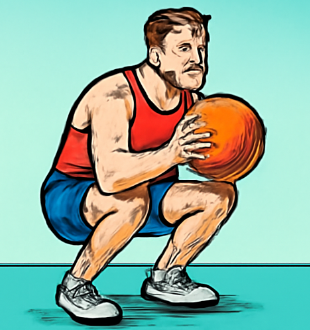
Medicine balls are fantastic tools for full-body workouts because they engage multiple muscle groups at once. Exercises like medicine ball slams, overhead squats, and mountain climbers challenge your arms, legs, core, and back simultaneously. For example, the overhead squat requires holding the ball above your head while squatting, working your shoulders, legs, and core for stability. Medicine ball slams combine explosive power and cardio, making your heart race while building strength. These dynamic moves boost endurance and burn more calories than isolated exercises.
Core strength is essential for balance, posture, and injury prevention. Medicine balls add resistance and challenge to classic core exercises, making them more effective. Russian twists with a medicine ball engage your obliques and abdominal muscles through rotational movement. Sit-ups holding a medicine ball increase the load on your abs and hip flexors. Plank variations, such as plank ball taps, force your core to stabilize your body as you reach for the ball. These moves strengthen deep core muscles that support your spine and improve overall functional fitness.
Using a medicine ball helps enhance coordination and flexibility by requiring control and balance during movement. Exercises like side lunges with a medicine ball pass improve lateral mobility and hip flexibility while training your brain and body to work together. Medicine ball circles, where you move the ball overhead in controlled rotations, stretch your shoulders and increase joint mobility. Single-leg deadlifts with a medicine ball challenge your balance and coordination by forcing you to stabilize on one leg while hinging forward. These exercises train your muscles to work in harmony, reducing injury risk and improving athletic performance.
To get the most from medicine balls, balance your workout plan by mixing different types of exercises. Include moves that target strength, cardio, and flexibility. For example, start with medicine ball slams for power and cardio, then add Russian twists to work your core. Follow with lunges holding the ball to build lower-body strength and stability. This variety helps you improve overall fitness without overworking any single muscle group. Also, plan rest days to allow muscles to recover and prevent injury.
Medicine balls pair well with many other tools. Combine them with dumbbells or kettlebells for added resistance during squats or presses. Use resistance bands alongside medicine ball throws to enhance muscle activation. You can also integrate medicine balls into circuit training with jump ropes or agility ladders to boost cardiovascular fitness and coordination. This combination keeps workouts fresh and challenges your body in new ways.
Beginners should start with a light medicine ball, around 4 to 6 pounds, to learn proper form and avoid strain. Focus on slow, controlled movements before increasing speed or weight. Advanced users can increase the ball’s weight or add explosive moves like overhead throws or slams. They can also try partner exercises, such as medicine ball passes, to improve timing and teamwork. Always warm up before starting and cool down afterward to promote flexibility and reduce soreness.
Using medicine balls effectively means mastering proper form and technique. Many people rush through exercises, sacrificing control for speed. This can lead to poor posture, muscle strain, or injury. For example, during a medicine ball slam, bending your knees slightly and engaging your core helps protect your lower back. When performing rotational moves like Russian twists, avoid twisting your neck or rounding your shoulders. Instead, rotate your torso evenly and keep your spine neutral. Always start slow to learn the right movements before increasing speed or weight.
Some believe medicine balls are only for advanced athletes or that they just add unnecessary bulk. In reality, medicine balls suit all fitness levels. Beginners can start with light balls to build strength and coordination safely. Another misconception is that medicine balls only train the upper body. Actually, they engage the entire body—core, legs, arms, and back—through dynamic, full-body movements. Also, some think medicine balls replace all other weights. While versatile, they complement dumbbells and kettlebells rather than replace them.
Safety is key when using medicine balls. Always check your surroundings to avoid hitting objects or people. Use a ball with appropriate weight and grip for your skill level. Avoid exercises that cause sharp pain or discomfort, and stop if you feel dizzy or overly fatigued. Warm up before workouts and cool down afterward to prevent muscle tightness. Use controlled motions rather than jerky or wild swings. If exercising with a partner, communicate clearly to avoid accidental collisions during passes or throws. Lastly, store medicine balls safely to prevent tripping hazards.
Medicine balls offer dynamic workouts, enhancing motivation and engagement while reducing injury risks. They support rehabilitation and combine cardio with strength training, building muscle and core stability. Whether you're a beginner or advanced athlete, incorporating medicine ball exercises can significantly boost your fitness routine. Explore the unique benefits of AIFLEX medicine balls, designed for durability and versatility, and discover how they can elevate your workouts and overall health.
A: Medicine Balls are versatile tools used for strength training, core stability, and cardiovascular workouts. They enhance motivation, improve safety, and support rehabilitation.
A: Medicine Balls add dynamic movement to exercises, boosting engagement and motivation. They combine cardio and resistance training, increasing muscle mass and endurance.
A: Medicine Balls reduce injury risks and support joint protection. They allow for explosive movements and are ideal for beginners and rehabilitation.
A: Medicine Balls vary in price depending on weight, material, and brand, typically ranging from $10 to $50.

WeChat / WhatsApp: +86-18915709399
Skype: lisa.sunnylove


