- All
- Product Name
- Product Keyword
- Product Model
- Product Summary
- Product Description
- Multi Field Search


Views: 0 Author: Site Editor Publish Time: 2025-11-19 Origin: Site


Jumping rope is a fun, full-body workout that can be done almost anywhere. Many people practice it in the comfort of their homes, but what happens when the only surface you have available is a yoga mat? Can you jump rope on a yoga mat? In this article, we will explore the pros and cons of using a yoga mat for jump rope, key considerations, and the best alternative mats for your workout.
Jumping rope on a yoga mat might seem like a convenient option, but it's important to consider the surface's safety features. Yoga mats are designed for static exercises like stretching or holding poses, not for dynamic activities like jump rope.
Yoga mats often have a soft, cushioned surface that may feel comfortable during slower movements, but this could lead to issues when jumping rope. The mat might slide around, especially if it's not placed on a non-slip surface. This can cause you to lose your balance and increase the risk of injury. If the mat doesn't stay in place, your foot could catch on the edges, leading to a fall or twisted ankle. Use a yoga mat with a non-slip pad underneath, or place it on a carpeted surface to minimize movement during your workout.
Another concern is the cushioning of yoga mats. While they provide support for your knees and elbows in yoga poses, the soft surface might not be ideal for jump rope. The repetitive impact from jumping could strain your joints over time, especially if the mat doesn't provide enough firmness to absorb the shock.
When jumping rope, proper posture is crucial. If the mat doesn't offer adequate support, it may throw off your form and lead to back or knee strain. It's essential to maintain a neutral posture while jumping, which can be challenging on a mat that lacks the stability of a more suitable surface. If you must use a yoga mat, consider adjusting your jumping technique to reduce impact, such as keeping jumps lower and more controlled.
The grip provided by yoga mats can vary greatly depending on the material. For jump rope, you need a firm grip to prevent slipping. Yoga mats are usually designed with textures that are fine for balancing poses but may not offer enough traction for rope jumping. A better surface will allow you to maintain better control over your jumps, ensuring a safer and more effective workout. If you're using a yoga mat, make sure it's thick enough to provide cushioning but has enough texture for grip. Otherwise, consider investing in a jump rope mat.
Yoga mats come in various thicknesses, typically ranging from 1/16 inch to 1/4 inch. Thicker mats may feel more comfortable but could make your jumps feel less stable. Conversely, thinner mats may not provide enough cushioning for your joints during high-impact activity like jumping rope.
A yoga mat's thickness is key to how much shock it absorbs. A thin mat might not offer enough protection for your knees and ankles when you land, while a thicker mat could feel unstable, especially during fast jumps. If you're set on using a yoga mat, try one that's between 1/8 to 1/4 inch thick. It will provide some cushioning while maintaining stability.
Yoga mats are made from different materials like PVC, TPE, or rubber, which can impact their durability and grip. PVC mats are more common and offer good cushioning, but they might not have the necessary grip for high-impact workouts like jump rope.
Rubber mats tend to provide better grip and durability but might not offer the same level of comfort as PVC mats. It's essential to find a material that balances both comfort and traction for jump rope. Choose a yoga mat with a rubber or TPE surface for better grip, but be prepared to upgrade to a more specialized mat if you find the yoga mat unsuitable.
Jump rope requires a certain amount of space to move freely, especially when the rope is spinning. Yoga mats are usually designed for smaller, more controlled movements like yoga poses or Pilates exercises. This can be a problem when jumping rope, as you might feel confined, or the mat might not provide enough room to jump without hitting the edges. Ensure your yoga mat is large enough to accommodate your jumping space. You may need to rearrange your workout area to make room for movement.
Portability and Availability Most people already own a yoga mat, so using it for jump rope may be the most convenient option. There's no need to buy a new mat, and it's easy to roll up and store when not in use.
Affordability Yoga mats are relatively inexpensive compared to specialized jump rope mats, making them a budget-friendly option for those looking for a simple workout surface.
Comfort for Other Exercises If you're doing other low-impact exercises like stretching or yoga alongside your jump rope workout, a yoga mat provides a comfortable surface.
Lack of Stability Yoga mats can slide around, leading to an unstable surface that makes jump rope more difficult and dangerous.
Inadequate Cushioning Yoga mats may not provide the shock absorption necessary for jump rope, which can lead to joint pain over time.
Limited Space Most yoga mats are small and might not offer the space required for comfortable jump rope movements.
If you are serious about jump rope, consider investing in a dedicated jump rope mat that offers more stability and cushioning.
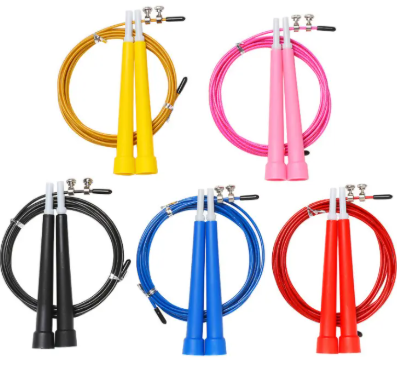
Non-Slip Surface A jump rope mat must stay in place during your workout. The surface should be designed to grip the floor and prevent movement during high-impact exercises like jumping rope.
Durability Jumping rope is tough on mats, so durability is essential. A jump rope mat should withstand constant impact without wearing out quickly.
Shock Absorption Adequate cushioning is key for protecting your joints. Look for mats that provide shock absorption without sacrificing stability.
Size Ensure the mat is large enough to accommodate your full range of motion. A typical jump rope mat is about 6 feet long and 3 feet wide.
When choosing a jump rope mat, prioritize durability and shock absorption to ensure a safe, long-lasting workout surface.
Jump rope mats are specifically designed for the activity. They offer superior grip, durability, and cushioning, making them the ideal choice for rope jumping. These mats are thicker and more robust than yoga mats, and they provide the necessary support for your joints.
If you don't have access to a jump rope mat, hardwood floors, or concrete surfaces can work as long as you are careful. These surfaces tend to be harder, so they don't offer much cushioning, but they provide a stable surface for jumping.
If you're using a hard surface like wood or concrete, consider wearing supportive footwear to cushion the impact on your joints.
Setting up a dedicated workout area can make your jump rope sessions more comfortable. Invest in a jump rope mat or find a suitable surface with enough space to move freely. Make sure to keep the area clear of obstacles and provide enough room for your rope to swing. If you're jumping indoors, clear the area of furniture and ensure your rope has plenty of room to spin without obstruction.
Place a non-slip pad under the yoga mat to prevent it from shifting. This will help stabilize the surface and reduce the risk of injury.
To minimize the impact on your joints, keep your jumps low and use a softer, more controlled jump technique. This reduces the strain on your knees and ankles.
If you notice discomfort or instability while using a yoga mat, it's time to invest in a jump rope mat. A dedicated mat will provide better stability, cushioning, and overall performance for your workouts.
While it is possible to jump rope on a yoga mat, it's not always the safest or most effective option. Yoga mats can be slippery, offer inadequate cushioning, and limit your jumping space. For a better, safer jump rope experience, consider investing in a dedicated jump rope mat. It will provide the stability, grip, and shock absorption you need to take your workouts to the next level.
Suzhou Aiflex Sports offers high-quality jump rope mats that enhance your fitness experience with superior comfort and durability.
A: Yes, you can, but it's not the safest option. Yoga mats can be slippery and lack the proper cushioning and support for jump rope exercises.
A: A jump rope mat offers better grip, stability, and shock absorption, reducing the risk of injury and improving your workout performance.
A: Yes, yoga mats are not designed for high-impact activities like jump rope, which can cause strain on your joints. A jump rope mat provides better shock absorption.

WeChat / WhatsApp: +86-18915709399
Skype: lisa.sunnylove


