- All
- Product Name
- Product Keyword
- Product Model
- Product Summary
- Product Description
- Multi Field Search


Views: 0 Author: Site Editor Publish Time: 2025-11-04 Origin: Site


Are you ready to elevate your workout game with a versatile fitness tool? Enter the world of medicine balls—dynamic, weighted spheres that have been a staple in fitness routines since ancient Greece. These powerful tools have evolved, becoming essential in modern fitness for enhancing strength, coordination, and core stability. In this post, you'll learn about different types of medicine balls, their construction, and how to choose the right one for your fitness needs.
Medicine balls come in several types, each designed for specific training needs:
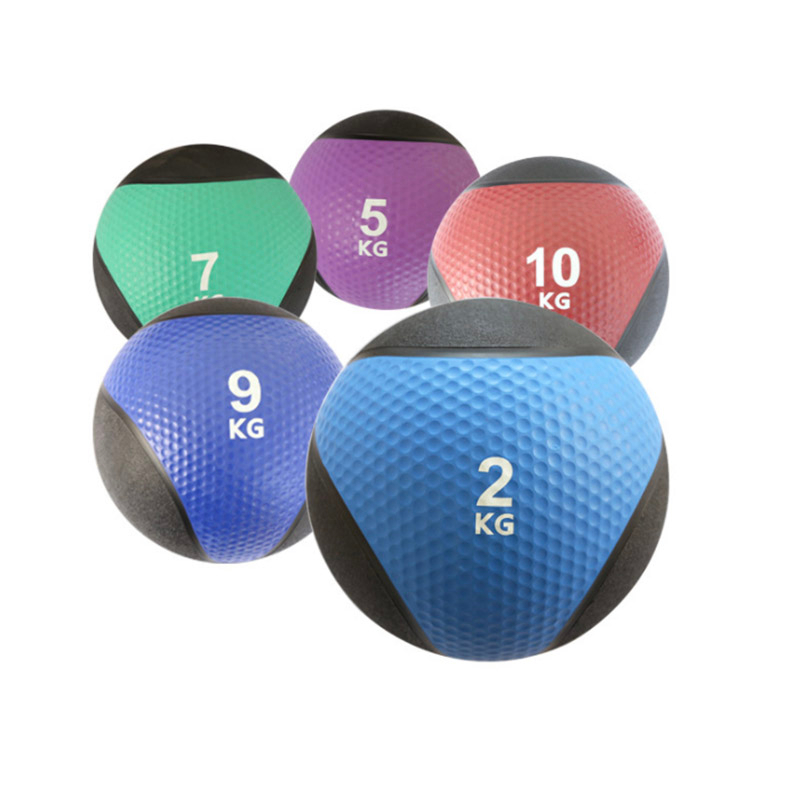
Weighted Medicine Balls: These are the classic type, filled with sand, iron shot, or other dense materials. They vary in weight from light (2 lbs) to heavy (25 lbs or more). Perfect for strength and power exercises.
Slam Balls: Built tough with a durable outer shell, slam balls do not bounce. They are ideal for explosive movements like slamming the ball on the floor. Usually filled with sand, they absorb impact well.
Wall Balls: Designed to rebound when thrown against a wall, these balls are softer and lighter than slam balls. Great for endurance and high-rep exercises, as they return to you for quick repetitions.
Medicine Balls with Handles: These feature grips for easier holding, enabling a wider range of exercises such as rotational moves or mountain climbers. Handles improve control and safety during dynamic workouts.
Medicine balls are made from various materials, affecting durability, grip, and feel:
Rubber: Most common, rubber balls offer good grip and durability at an affordable price. They handle repeated impacts well but may wear over time.
Vinyl: Vinyl balls tend to have a smoother surface, making them easier to clean. They are often used for lighter balls or for indoor use.
Leather: Premium medicine balls use leather for a classic look and feel. Leather provides excellent grip and durability but usually comes at a higher cost.
Composite Materials: Some balls combine materials to balance grip, durability, and bounce, especially in dual-purpose medicine balls.
Inside, medicine balls are usually filled with sand, gel, or iron shot to achieve the desired weight and balance.
Choosing the right weight and size is key for effective training:
Weight Range: Medicine balls typically weigh between 2 and 25 pounds. Beginners should start lighter to master form, while advanced users can handle heavier weights for power training.
Size: Most medicine balls measure around 9 to 14 inches in diameter. Larger balls may be heavier and harder to grip, while smaller balls are better for speed and agility drills.
Grip Considerations: Textured surfaces improve handling, especially when hands get sweaty. Balls with handles provide extra security for complex moves.
Choosing the Right Weight: Select a weight that challenges you but allows controlled, safe movements. For power exercises, lighter balls moved quickly work best; for strength, heavier balls are preferable.
Medicine balls are excellent tools for building core strength. Many exercises using these balls engage multiple muscle groups at once, especially the abdominals, obliques, and lower back. This engagement improves core stability, which is crucial for maintaining good posture and preventing injuries. For example, exercises like Russian twists or medicine ball planks force your core muscles to work hard to keep balance while moving the ball. This dynamic resistance helps develop a stronger, more stable core faster than static exercises.
Using a medicine ball challenges your coordination and balance. Throwing, catching, or moving the ball in various directions requires hand-eye coordination and body control. These skills benefit athletes and anyone wanting to improve their functional fitness. For instance, catching a medicine ball thrown from different angles trains your reflexes and stabilizes muscles. Balance improves because your body adjusts to the shifting weight during these movements, engaging stabilizer muscles often neglected in traditional workouts.
One of the biggest advantages of medicine balls is their versatility. They fit into many workout styles, including strength training, cardio, rehabilitation, and functional fitness. You can use them for power moves like slams or throws, core exercises like sit-ups with added resistance, or balance drills involving slow, controlled movements. Medicine balls suit all fitness levels, from beginners to advanced athletes, because you can adjust the weight and type of ball to match your goals. This adaptability makes them a valuable addition to any training program.
Choosing the right medicine ball depends on your fitness goals, experience level, and the types of exercises you plan to do. Think about how you'll use the ball — for power, endurance, core work, or balance training. Your workout style will guide your selection. For example, if you want to focus on explosive power, a lighter ball you can throw quickly is best. For strength or stability, heavier balls that challenge your muscles more are ideal.
Also consider your current fitness level. Beginners should start with lighter weights to master form and avoid injury. As you progress, you can increase the weight to continue challenging your body. The ball's durability matters too, especially if you plan to slam or throw it often. Look for quality construction that matches your intended use.
Weight plays a key role in how effective and safe your workouts will be. Medicine balls range from about 2 to 25 pounds. For beginners, starting around 4 to 6 pounds is a good rule of thumb. You want a weight that feels challenging but still lets you maintain control and proper technique. Too heavy can cause strain or poor form; too light won’t provide enough resistance.
Size also matters because it affects grip and how you handle the ball during exercises. Most medicine balls measure between 9 and 14 inches in diameter. Larger balls tend to be heavier and can be harder to hold, especially for smaller hands. Smaller balls are better for speed and agility drills, while larger ones suit strength moves. Consider your hand size and the exercises you want to perform when choosing the diameter.
The ball's outer material influences its grip, durability, and feel. Rubber balls are common, affordable, and offer good grip, making them a versatile choice. Vinyl balls have a smoother surface, which can be easier to clean but might be slippery during sweaty workouts. Leather balls provide excellent grip and durability but usually cost more.
Some medicine balls feature textured surfaces or handles. Textured surfaces help maintain grip even when your hands get sweaty, reducing the chance of slipping. Handles add extra security and control, especially during dynamic or rotational moves. Balls with handles can expand your exercise options, such as lunges with twists or mountain climbers on the ball.
Tip: When buying a medicine ball, match its weight, size, and material to your fitness level and workout goals to maximize effectiveness and safety.
Medicine ball squats are a great way to build lower body strength while engaging your core. Start by standing with your feet shoulder-width apart. Hold the medicine ball at chest level, keeping it steady throughout the movement. Lower your body by bending your knees and pushing your hips back, as if sitting into a chair. Keep your back straight and chest lifted. Once your thighs are parallel to the floor, push through your heels to return to standing. This exercise strengthens your quads, hamstrings, glutes, and core muscles, improving balance and stability.
Russian twists target your obliques and help develop core rotational strength. Sit on the floor with your knees bent and feet slightly lifted off the ground for added challenge. Hold the medicine ball firmly with both hands. Lean back slightly to engage your core. Twist your torso to the right, bringing the ball beside your hip, then twist to the left. Keep the movement controlled and focus on using your core muscles rather than just your arms. This exercise improves core stability and enhances your ability to perform twisting motions safely and effectively.
Basic throws and catches improve hand-eye coordination, timing, and upper body strength. For beginners, start by standing about 5 to 10 feet from a partner or a sturdy wall. Use a light to moderate weight medicine ball for control. Hold the ball at chest level, then push it forward using your arms and core, aiming for your partner or the wall. Catch the ball as it returns, absorbing the impact with bent elbows. Repeat this motion, focusing on smooth, controlled throws and catches. This drill is excellent for warming up and developing coordination.
Medicine ball slams are a powerful exercise that develops explosive strength and cardiovascular endurance. To perform a slam, stand with feet shoulder-width apart. Hold the medicine ball overhead with both hands. Engage your core and bend slightly at the hips and knees. Then, forcefully slam the ball down onto the ground as hard as you can. Squat down to pick it up and repeat. This movement activates your core, shoulders, arms, and legs, making it a full-body workout. Use a slam ball or a heavy medicine ball designed to absorb impact. Start with 8 to 12 reps per set, resting between sets to maintain power.
Explosive power exercises using medicine balls help improve speed, strength, and athletic performance. These workouts often involve fast, dynamic throws and catches that train muscles to generate force quickly. Examples include:
Chest Pass Throws: Stand facing a wall or partner. Hold the ball at chest height and explosively throw it forward, catching it as it rebounds. Repeat for 10 to 15 reps.
Overhead Throws: Lift the ball overhead and throw it forward or upward, focusing on maximum power. This builds shoulder and core strength.
Rotational Throws: Hold the ball with both hands, rotate your torso, and throw the ball sideways against a wall. Catch and repeat to develop rotational power.
Choose a medicine ball weight that challenges you but allows quick, controlled movements. Lighter balls work best for speed, heavier ones for strength.
Medicine balls are excellent tools for metabolic conditioning (metcon) workouts, which combine strength and cardio to boost endurance and burn calories. These routines involve circuits of exercises performed in rapid succession with minimal rest. A typical metcon using medicine balls might include:
Medicine ball slams (10 reps)
Squat and medicine ball throw (12 reps)
Russian twists holding the ball (20 reps)
Medicine ball burpees (8 reps)
Overhead medicine ball lunges (10 reps per leg)
Perform each exercise back-to-back, resting 30 to 60 seconds between rounds. Repeat the circuit 3 to 5 times. Use a moderately heavy medicine ball to maintain intensity without losing form. These workouts elevate heart rate, build power, and improve muscular endurance.
Using proper form during medicine ball exercises is crucial to avoid injury and get the most out of your workout. Always start each movement with a stable, balanced stance. Keep your core engaged and maintain a neutral spine to protect your back. For example, when performing medicine ball squats or slams, avoid rounding your shoulders or arching your back excessively. Controlled, deliberate movements help ensure you target the right muscles and avoid unnecessary strain. If you're unsure about your form, consider working with a trainer or using mirrors to monitor your technique.
Selecting the correct medicine ball weight is key for safety and effectiveness. Start with a lighter ball to master the exercise technique before increasing weight. A ball too heavy can cause poor form, leading to injuries such as muscle strains or joint stress. Conversely, a ball too light may not challenge your muscles enough to see progress. For beginners, a weight between 4 and 8 pounds is usually appropriate. More advanced users can handle heavier balls, depending on the exercise. Always test the ball by doing a few reps to ensure you can control it comfortably.
Pay close attention to how your body feels during and after medicine ball workouts. Discomfort or sharp pain is a warning sign to stop and reassess your technique or the weight used. Muscle fatigue is normal, but joint pain or persistent soreness is not. Rest adequately between sessions to allow recovery. If you experience any unusual pain, consult a healthcare professional before continuing. Remember, gradual progression reduces injury risk and helps build strength safely over time.
Medicine balls enhance core strength, coordination, and versatility in training. Incorporating them into workouts boosts functional fitness efficiently. Choose the right type and weight to match your fitness goals. AIFLEX offers high-quality medicine balls, ensuring durability and effectiveness. Their products help you achieve strength and stability, supporting your fitness journey. Embrace medicine balls to reach your fitness objectives safely and effectively, making them a valuable addition to any workout regimen.
A: Medicine balls are versatile tools used for strength training, core stability, coordination, and balance exercises. They're suitable for power moves, endurance workouts, and functional fitness routines.
A: Choose a medicine ball weight that challenges you but allows for controlled movements. Beginners should start with lighter weights (4-6 lbs) to master form, while advanced users can handle heavier weights (up to 25 lbs).
A: Slam balls have a durable outer shell and do not bounce, making them ideal for explosive exercises like slams. Regular medicine balls may bounce and are used for a variety of exercises.

WeChat / WhatsApp: +86-18915709399
Skype: lisa.sunnylove


